


Wszystkie produkty
-
Ochrona przed promieniowaniem jądrowym
-
Detektor promieniowania jądrowego
-
Ekranowanie z folii miedzianej
-
Drzwi ekranowane RF
-
Okna ekranowane RF
-
Szkło ołowiowe chroniące przed promieniowaniem
-
Niemagnetyczny zestaw narzędzi
-
Komora ekranowana RF
-
Otwory wentylacyjne Waveguide o strukturze plastra miodu
-
Taśma miedziana przewodząca samoprzylepna
-
Miedziana siatka druciana
-
Szkło ołowiane rentgenowskie
-
Uszczelka ekranująca EMI
-
Tkanina przewodząca elektrycznie
-
Drzwi chroniące przed promieniowaniem
-
Ochrona przed promieniowaniem X Ray
-
MRI klatki Faradaya
-
Wełna z drutu miedzianego
-
Oświetlenie LED MRI
-
Niemagnetyczny wózek inwalidzki
-
Niemagnetyczne nosze
-
 AnasMosiężny otwór wentylacyjny o strukturze plastra miodu wygląda bardzo ładnie
 -
 SatheeshDrzwi MRI/RF lśnią klamkami, dziękuję mój przyjacielu.
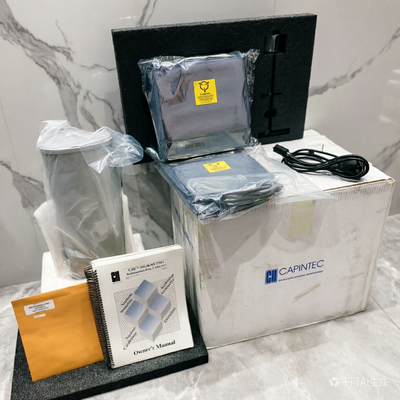
Kalibrator dawkowania odporny na promieniowanie do długotrwałej instalacji komórek ciepłych
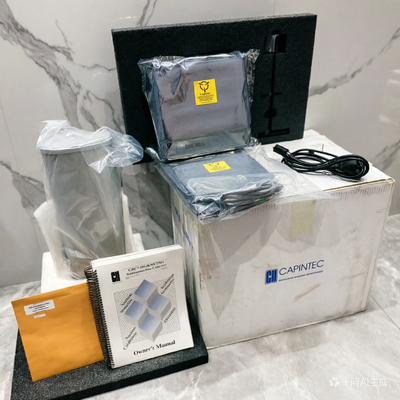


Szczegóły Produktu
| Odpowiedź energetyczna | 50Kev ~ 5Mev | Temperatura pracy | -20°C do 50°C |
|---|---|---|---|
| Skumulowany zasięg dawki | 0,1 μSv ~ 10 Sv | Tworzywo | Trwała obudowa z tworzywa ABS |
| Zakres pomiarowy | moc dawki neutronów: 0,1 μSv/h ~ 100 mSv/h | Pojemność przechowywania danych | Do 1000 odczytów |
opis produktu
Odporny na promieniowanie kalibrator dawki do długotrwałej instalacji z gorącymi ogniwami
Wprowadzenie produktu
Wprowadzenie produktu
Kalibrator dawki odporny na promieniowanie został zaprojektowany z myślą o ekstremalnej trwałości w środowiskach gorących ogniw o wysokim napromieniowaniu. Kalibratory dawki standardowej wystawione na działanie wysokich skumulowanych dawek promieniowania (powyżej 10 000 R) ulegają stopniowemu pogorszeniu wydajności: zwiększonemu szumowi elektronicznemu, dryfowi kalibracji i ewentualnemu uszkodzeniu wrażliwych komponentów. W tym przyrządzie zastosowano elektronikę wzmocnioną promieniowaniem, wymienną komorę jonizacyjną i modułową konstrukcję, która umożliwia wymianę uszkodzonych komponentów w terenie. Rezultatem jest żywotność przyrządu wynosząca ponad 10 lat w środowiskach, w których standardowe kalibratory ulegają awarii w ciągu 2–3 lat. Urządzenie jest przeznaczone do komór gorących, które obsługują dawki terapii o wysokiej aktywności (poziom Curie Lu-177, Y-90, I-131) lub które działają 24 godziny na dobę, 7 dni w tygodniu w scentralizowanych radiofarmacjach.
Zakres zastosowań
Zakres zastosowań
Odporny na promieniowanie kalibrator dawki jest przeznaczony do stosowania w środowiskach medycyny nuklearnej o dużej objętości i wysokiej aktywności. Podstawowe zastosowania obejmują scentralizowane radiofarmacje wytwarzające tysiące dawek rocznie, ośrodki teranostyczne, które codziennie podają dawki terapii na poziomie Curie, oddziały medycyny nuklearnej działające 24 godziny na dobę, 7 dni w tygodniu oraz gorące komory badawcze wykorzystywane do badań nad znakowaniem radioaktywnym o wysokiej aktywności. Przyrząd jest równie odpowiedni dla każdego działu, który chce zminimalizować koszty wymiany przyrządu i uniknąć nieplanowanych przestojów spowodowanych awarią kalibratora.
Wydajność i korzyści
Wydajność i korzyści
Odporny na promieniowanie kalibrator dawki zachowuje dokładność ±5% przez cały okres użytkowania, nawet po wystawieniu na skumulowane dawki promieniowania przekraczające 100 000 R. Konstrukcja odporna na promieniowanie obejmuje: Układy elektroniczne CMOS wykonane na podłożach typu krzem na izolatorze (SOI), które są odporne na zatrzaskiwanie i prąd upływowy; okablowanie ekranowane z podwójną izolacją zapobiegającą awariom wywołanym promieniowaniem; wymienna komora jonizacyjna, którą można wymienić w terenie w przypadku pogorszenia się czułości; oraz modułowe zasilacze, które izolują wrażliwe komponenty od stanów nieustalonych wywołanych promieniowaniem. Komora jonizacyjna ma wentylowaną konstrukcję z wymiennym wkładem ze środkiem osuszającym, co zapobiega dryfowaniu spowodowanemu wilgocią. Komora jest wykonana z aluminium (a nie z tworzywa sztucznego), aby była odporna na kruchość wywołaną promieniowaniem. Kiedy czułość komory w końcu ulegnie pogorszeniu — po 5–10 latach w środowisku o wysokim promieniowaniu — technik serwisowy może ją wymienić w czasie krótszym niż 30 minut bez konieczności zwracania urządzenia do fabryki. Wymienna komora jest wstępnie skalibrowana i zawiera nowy wkład ze środkiem osuszającym. Moduł elektroniki jest podobnie wymienny, ze złączami wtykowymi, które umożliwiają wymianę na miejscu. Oprogramowanie przyrządu zawiera system autodiagnostyki, który monitoruje kluczowe parametry działania: czułość komory (mierzona codziennie za pomocą źródła kontrolnego), elektroniczny poziom szumów i stabilność kalibracji. System ostrzega użytkownika, gdy którykolwiek parametr zbliża się do limitu przekraczającego specyfikację, umożliwiając zaplanowaną wymianę przed wystąpieniem awarii. Dane diagnostyczne są rejestrowane i można je eksportować w celu analizy trendów. W przypadku oddziałów posiadających wiele ogniw gorących przyrząd obsługuje konfigurację „hot Spare”: zapasowy kalibrator utrzymywany w obszarze o niskim promieniowaniu, gotowy do wymiany, jeśli jednostka podstawowa będzie wymagać serwisu. Oprogramowanie ułatwia wymianę: użytkownik eksportuje konfigurację z jednostki podstawowej, importuje ją do jednostki zapasowej, a jednostka zapasowa jest gotowa do użycia z identycznymi ustawieniami. Urządzenie zawiera wszystkie standardowe funkcje kalibratora dawki: bibliotekę nuklidów zawierającą ponad 25 izotopów, wybór geometrii fiolki/strzykawki/kapsułki, automatyczne ustalanie zakresu, rejestrację danych, eksport USB i wydruk do drukarki. Zdalny wyświetlacz jest identyczny z urządzeniami standardowymi, ale moduł detektora jest wersją wzmocnioną przed promieniowaniem. Dla oddziałów medycyny nuklearnej główną korzyścią wynikającą z konstrukcji odpornej na promieniowanie jest niższy całkowity koszt posiadania. Chociaż początkowa cena zakupu jest wyższa niż w przypadku standardowego kalibratora, wydłużona żywotność (ponad 10 lat w porównaniu z 2-3 latami) i krótsze przestoje (planowana wymiana a nieoczekiwana awaria) zazwyczaj skutkują niższym kosztem rocznej eksploatacji. W przypadku oddziałów o dużym nakładzie pracy koszt nieplanowanej awarii kalibratora – odwołanie wizyt pacjentów, opóźnione podanie dawek, nadgodziny personelu – może znacznie przekroczyć cenę zakupu urządzenia. Konstrukcja odporna na promieniowanie eliminuje to ryzyko. Dla działów zaangażowanych w planowanie długoterminowe, kalibrator dawki odporny na promieniowanie oferuje przewidywalną wydajność i minimalne koszty cyklu życia.
Polecane produkty
