


Wszystkie produkty
-
Ochrona przed promieniowaniem jądrowym
-
Detektor promieniowania jądrowego
-
Ekranowanie z folii miedzianej
-
Drzwi ekranowane RF
-
Okna ekranowane RF
-
Szkło ołowiowe chroniące przed promieniowaniem
-
Niemagnetyczny zestaw narzędzi
-
Komora ekranowana RF
-
Otwory wentylacyjne Waveguide o strukturze plastra miodu
-
Taśma miedziana przewodząca samoprzylepna
-
Miedziana siatka druciana
-
Szkło ołowiane rentgenowskie
-
Uszczelka ekranująca EMI
-
Tkanina przewodząca elektrycznie
-
Drzwi chroniące przed promieniowaniem
-
Ochrona przed promieniowaniem X Ray
-
MRI klatki Faradaya
-
Wełna z drutu miedzianego
-
Oświetlenie LED MRI
-
Niemagnetyczny wózek inwalidzki
-
Niemagnetyczne nosze
-
 AnasMosiężny otwór wentylacyjny o strukturze plastra miodu wygląda bardzo ładnie
 -
 SatheeshDrzwi MRI/RF lśnią klamkami, dziękuję mój przyjacielu.
Automatyczny kalibrator dawkowania do testowania liniowości dla programów z komórkami ciepłymi
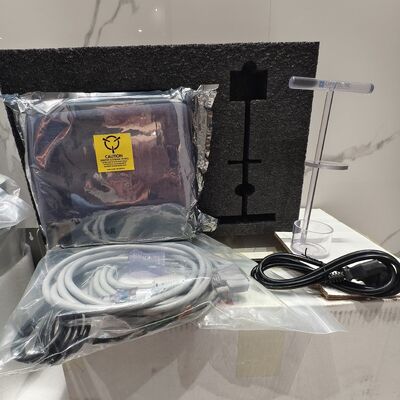
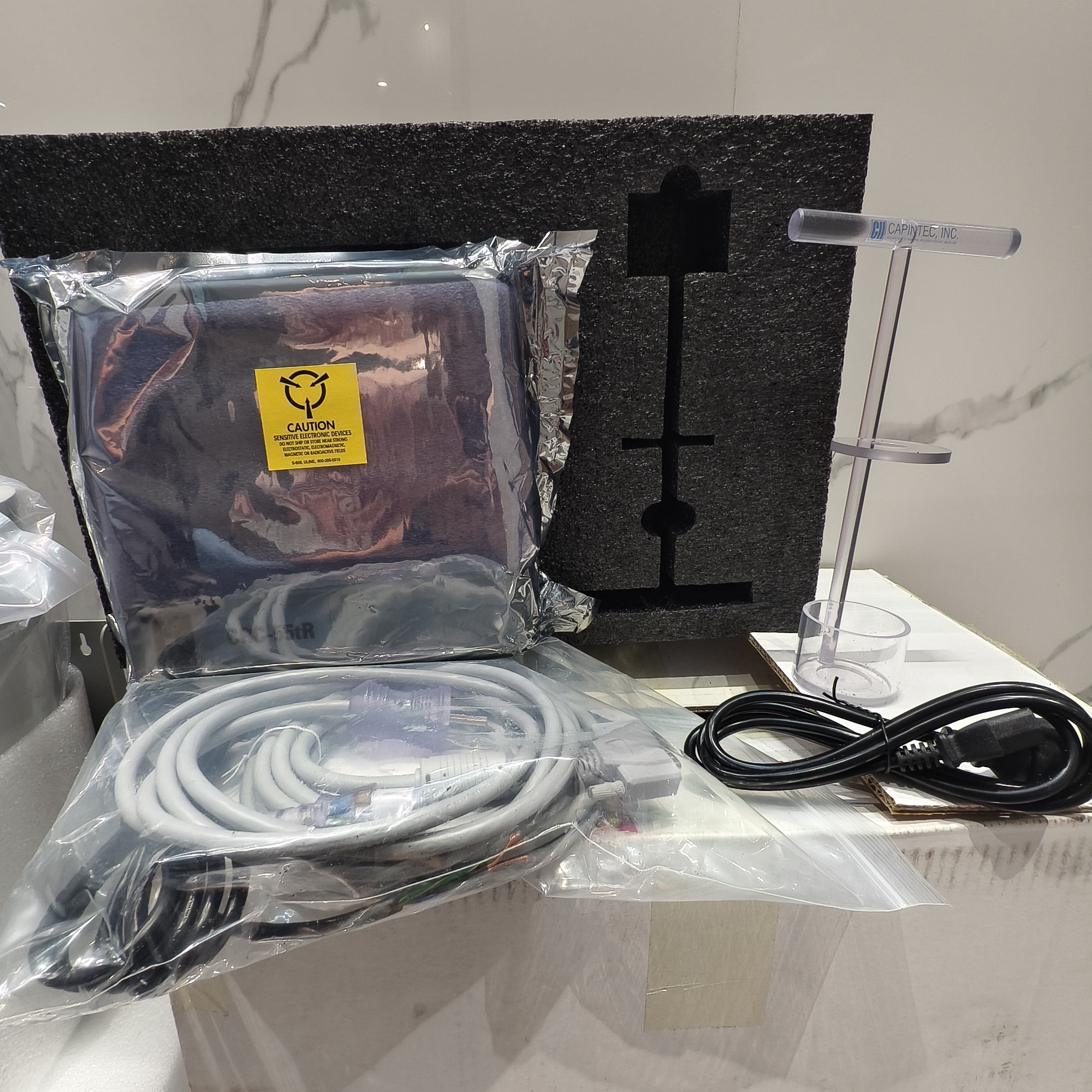
Szczegóły Produktu
| Zakres pomiarowy | 0,01 µSv/h do 10 Sv/h | Typ wykrywania | Alpha, beta, gamma, rentgen |
|---|---|---|---|
| Temperatura pracy | -20°C do 50°C | Zakres energii obrazowania | 50 keV – 1500 keV |
| Obszar okna detekcji | 75 cm² | Zasięg wykrywania | 0,01-1000 MSv/h |
opis produktu
Zautomatyzowany kalibrator dawki do testowania liniowości dla programów Hot Cell
Wprowadzenie produktu
Automatyczny kalibrator dawki do badania liniowości integruje weryfikację liniowości z rutynowymi operacjami, eliminując potrzebę stosowania dedykowanych procedur testowania liniowości, które zakłócają przepływ pracy. Normy regulacyjne (w tym NRC, IEC i USP) wymagają, aby kalibratory dawki poddawały się kwartalnym testom liniowości w celu sprawdzenia, czy reakcja urządzenia jest proporcjonalna do aktywności w całym zakresie pomiarowym. Tradycyjne badanie liniowości obejmuje wielokrotny pomiar źródła w ciągu kilku okresów półtrwania (w przypadku izotopów długożyciowych bierze się dni) lub użycie tulei tłumika (co wymaga obsługi wielu skalibrowanych źródeł). Urządzenie to przeprowadza automatyczne testy liniowości podczas rutynowego przygotowywania dawek, analizując dane z dawek pacjentów w celu ciągłej weryfikacji liniowości. Oprogramowanie obsługuje także przyspieszone testy liniowości przy użyciu wbudowanego zestawu tłumików, który można włączyć jednym ruchem.
Zakres zastosowań
Automatyczny kalibrator dawki do badania liniowości jest przeznaczony dla oddziałów medycyny nuklearnej, które muszą spełniać wymagania dotyczące testów liniowości, ale chcą zminimalizować związany z tym czas i narażenie personelu. Podstawowe zastosowania obejmują kwartalną weryfikację liniowości pod kątem zgodności z przepisami, testy akceptacyjne nowych kalibratorów dawki, weryfikację działania po naprawie lub kalibracji oraz badania porównawcze między instrumentami. Przyrząd jest odpowiedni zarówno dla działów o dużej objętości (gdzie zautomatyzowana ciągła weryfikacja liniowości zapewnia ciągłą pewność), jak i dla mniejszych działów (gdzie przyspieszony test oparty na tłumiku upraszcza zgodność kwartalną).
Wydajność i korzyści
Automatyczny kalibrator dawki do badania liniowości oferuje dwie metody weryfikacji liniowości. Pierwsza metoda — automatyczna weryfikacja ciągła — wykorzystuje dane z rutynowych pomiarów dawek pacjentów w celu monitorowania liniowości w czasie. Oprogramowanie urządzenia zbiera pomiary w pełnym zakresie dynamicznym, porównując stosunek zmierzonej aktywności do obliczonej aktywności skorygowanej o zanik dla każdej dawki pacjenta. Jeśli instrument jest liniowy, stosunek ten powinien być stały na wszystkich poziomach aktywności. Oprogramowanie przeprowadza analizę statystyczną w celu wykrycia wszelkich systematycznych odchyleń od liniowości i ostrzega użytkownika w przypadku wykrycia znaczącej nieliniowości. Ta metoda ciągłej weryfikacji nie wymaga dodatkowej pracy ze strony personelu i zapewnia ciągłą pewność działania urządzenia. W przypadku kwartalnych formalnych testów (wymaganych przez większość organów regulacyjnych) przyrząd obsługuje przyspieszone testy liniowości przy użyciu wbudowanego zestawu tłumików. Tłumiki — tulejki prowadzące o różnej grubości — są przechowywane w ekranowanej karuzeli wewnątrz przyrządu. Aby przeprowadzić test liniowości, użytkownik umieszcza w komorze źródło o długim czasie życia (zwykle Cs-137 lub Co-57) i naciska przycisk „Rozpocznij test”. Karuzela automatycznie obraca się poprzez zestaw tłumików, a przyrząd mierzy źródło przez każdy tłumik. Oprogramowanie wykreśla zmierzoną aktywność w funkcji tłumienia (proporcjonalnie do logarytmu aktywności) i oblicza odchylenie liniowości. Cały test zajmuje mniej niż 5 minut i wymaga jednorazowego użycia źródła — w porównaniu z tradycyjnymi metodami zaniku, które wymagają wielu dni pomiarów lub metodami rękawowymi, które wymagają oddzielnej obsługi wielu tłumików. Instrument obsługuje również tradycyjną metodę zanikania dla wydziałów, które preferują to podejście. Oprogramowanie prowadzi użytkownika przez serię pomiarów w czasie (zwykle 2-3 dni dla Tc-99m), oblicza krzywą liniowości i zaznacza wszelkie obszary nieliniowe. Wszystkie wyniki testów liniowości są przechowywane w bazie danych ze znacznikami czasu, identyfikatorem użytkownika i parametrami testu. System generuje drukowany raport odpowiedni do kontroli regulacyjnej i może eksportować dane do analizy zewnętrznej. W przypadku oddziałów medycyny nuklearnej główną korzyścią jest skrócenie czasu pracy personelu i narażenie go na zgodność z przepisami. Przyspieszony test oparty na tłumiku skraca czas badania liniowości z dni (metoda zaniku) lub godzin (metoda ręczna rękawa) do poniżej 5 minut. Zautomatyzowana metoda ciągłej weryfikacji eliminuje całkowicie dedykowane testy, zapewniając stałą pewność bez dodatkowej pracy. W przypadku inspektorów ds. bezpieczeństwa radiologicznego kompleksowe zapisy testów stanowią możliwą do obrony dokumentację zgodności. Automatyczny kalibrator dawki do badania liniowości przekształca tradycyjnie uciążliwe zadanie związane z przestrzeganiem zasad w szybką i prostą procedurę.
Polecane produkty
